The short answer
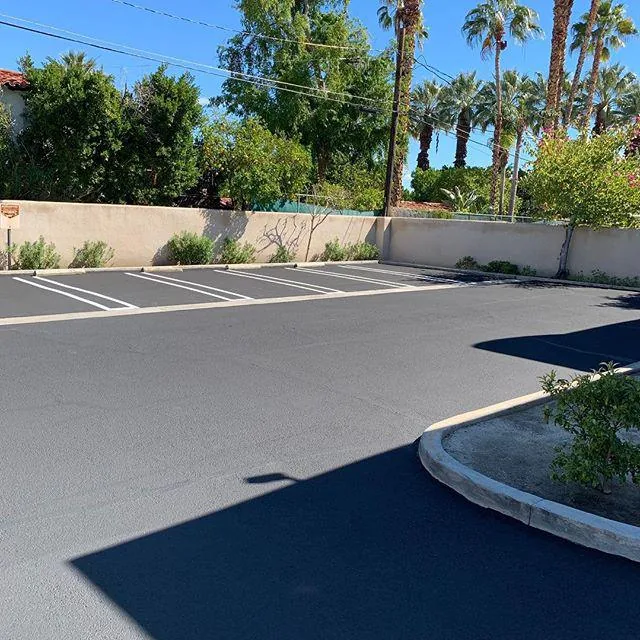
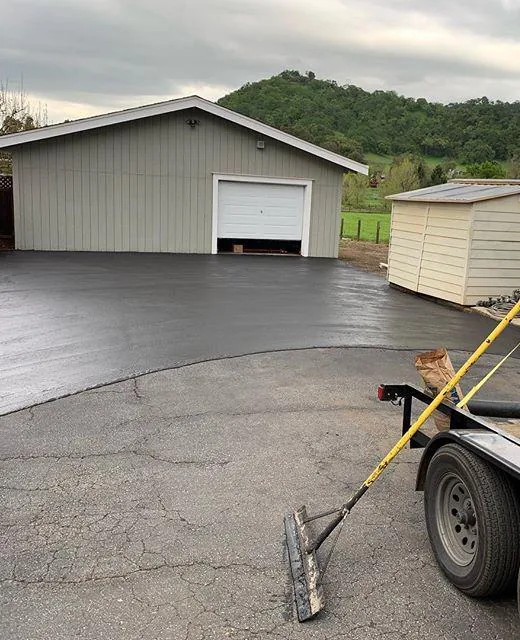
Most asphalt driveways and parking lots should be sealcoated every 2 to 3 years. In the Sacramento Valley, strong sun and long hot summers can push surfaces toward the shorter end of that range, while shaded or lightly used pavement can stretch toward the longer end.
Why the 2 to 3 year rule exists
Asphalt is made of stone held together by a petroleum-based binder. Sun, oxygen and water slowly dry out that binder, and once it is gone the surface turns gray, rough and brittle. Sealcoat is a sacrificial layer that takes the sun and water damage so the asphalt does not have to.
A coat wears away over time, which is why resealing on a regular schedule keeps the protection in place. Waiting until the pavement is already crumbling means you are sealing a surface that is past saving.
How Sacramento Valley weather changes the schedule
Our summers are long, hot and dry, which is hard on the binder. Surfaces in full sun, such as open parking lots and unshaded driveways, age faster than those under trees or buildings.
Winter rain is the second factor. Water that finds an unsealed crack soaks into the base and weakens it, so fill cracks before the wet season starts.
Signs it is time to reseal
Look for these signs on your own pavement:
- The surface has faded from black to gray
- It feels rough or you can see loose stones
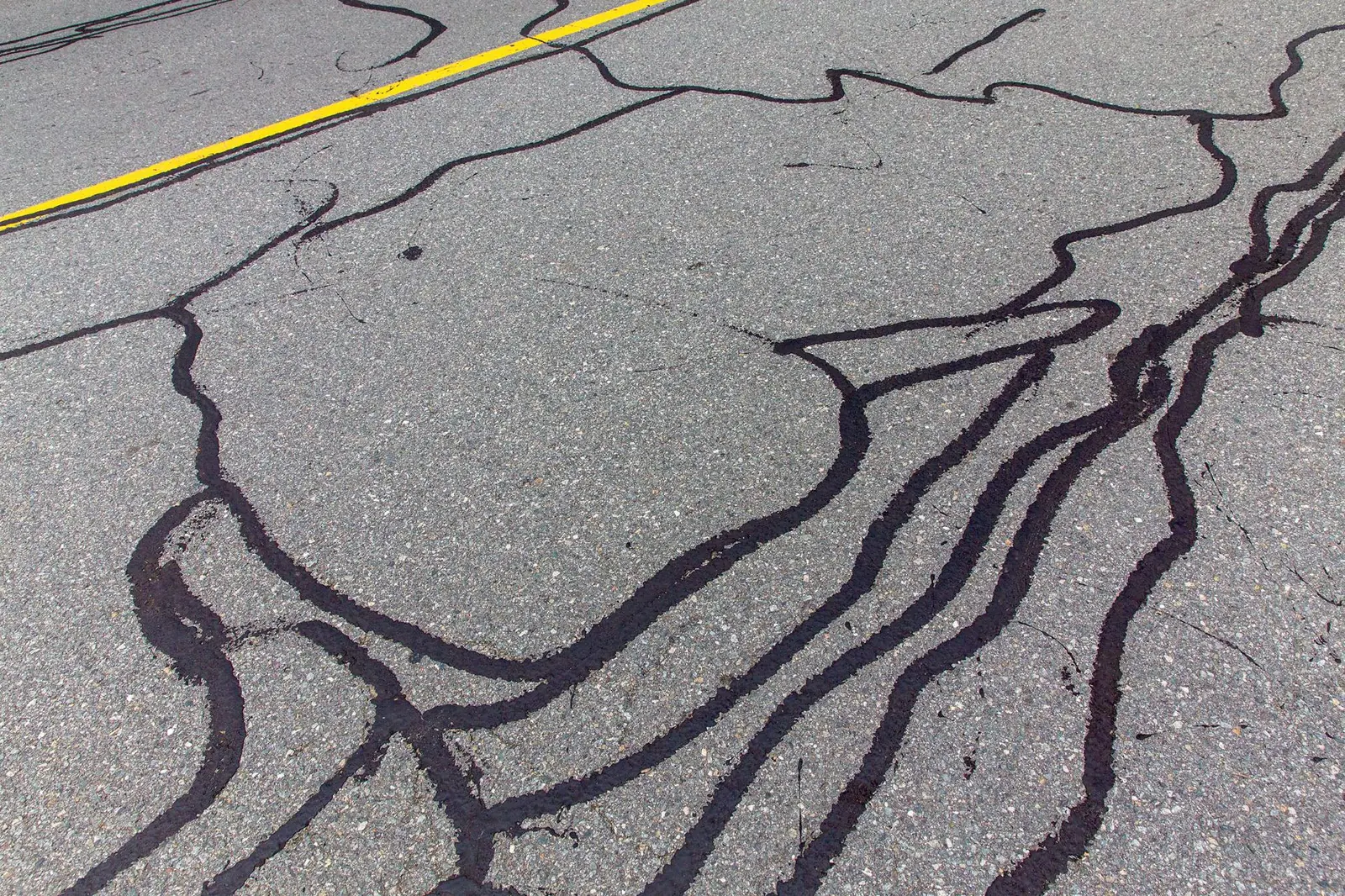
- Small cracks are appearing, but the base still feels firm
- Water soaks in instead of beading and running off
- It has been more than 2 to 3 years since the last coat
Do not sealcoat brand-new asphalt right away
New asphalt needs several months to cure before its first sealcoat. Sealing too early traps the oils that are still working their way out of the mix.
Fill cracks first, then seal
Sealcoat covers the surface but does not bridge open cracks. Filling cracks with a rubberized filler first keeps water out and gives the sealcoat a sound surface to protect. If you need striping, it goes on after the sealcoat has cured.