The short answer
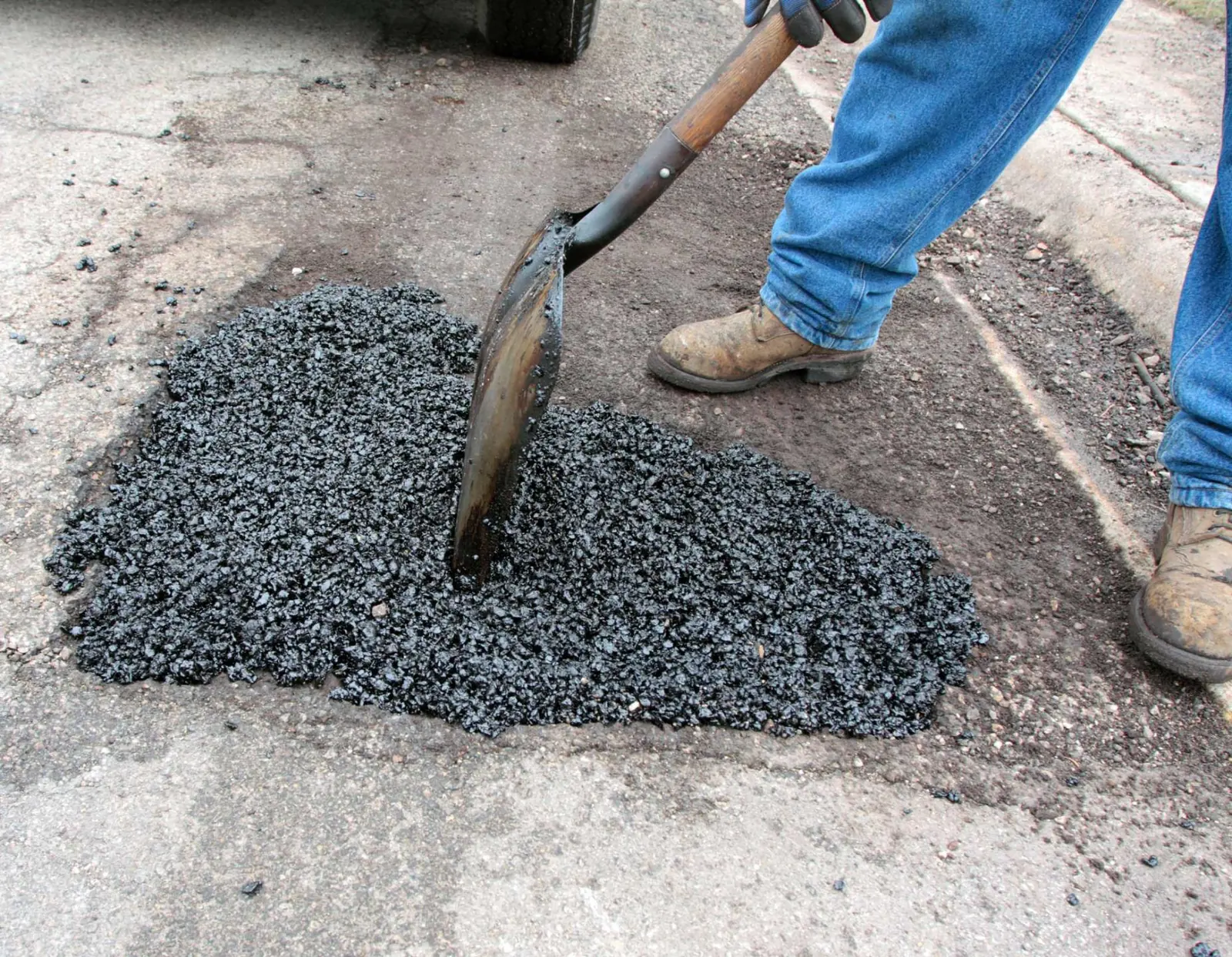
Pothole repair and patching suit localized damage on a sound base, resurfacing suits widespread surface wear over a sound base, and full replacement is needed when the base itself has failed. The deciding question is whether the problem is on the surface or underneath it.
Start by asking where the damage lives
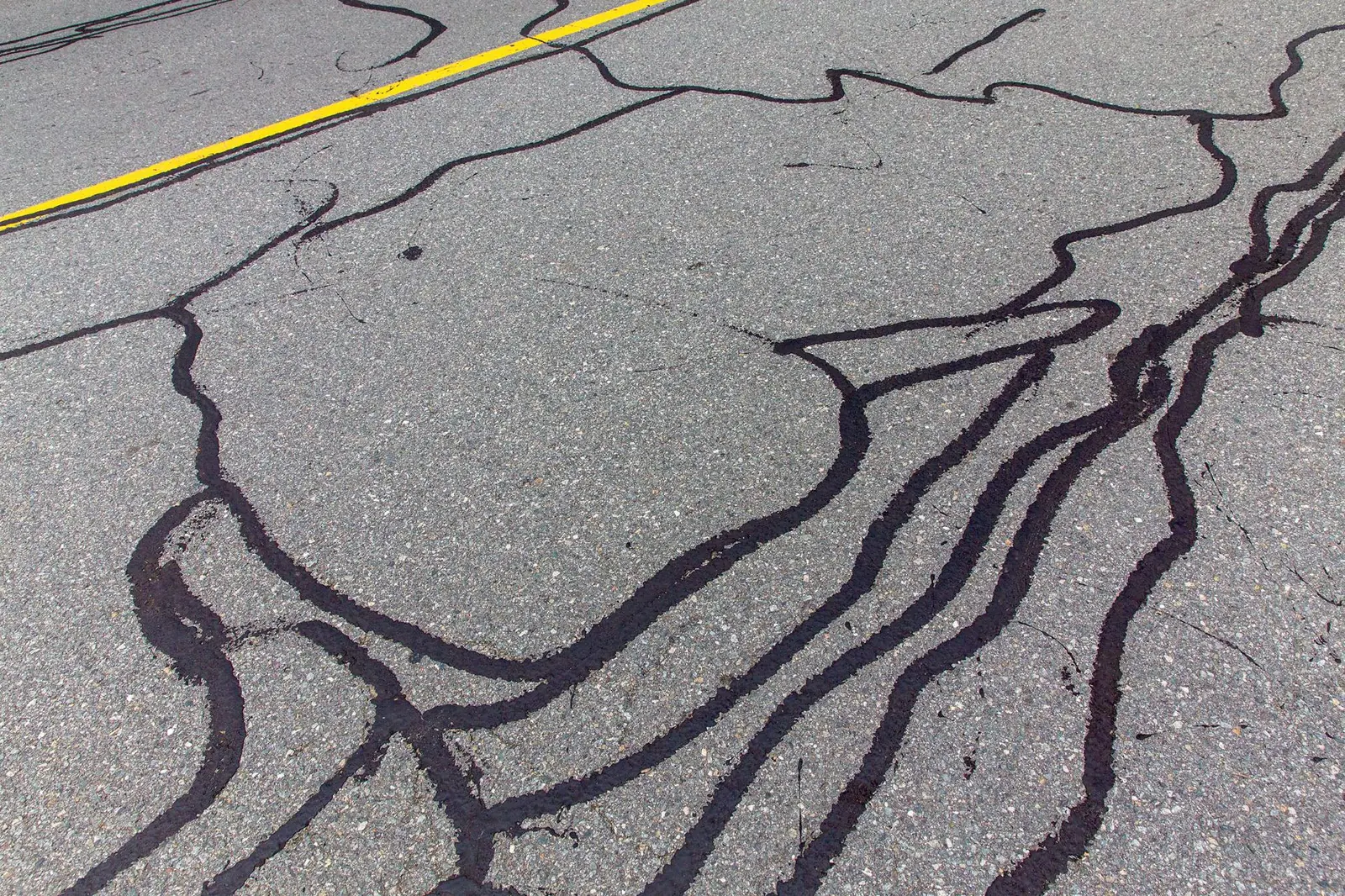
Surface damage, such as raveling, shallow cracking and isolated potholes, can often be repaired. Base damage shows up as sinking, flexing or alligator cracking across large areas, and no surface fix lasts over a bad base.
When patching is the right answer
Patching works well when:
- Damage is limited to a few spots
- The surrounding pavement is firm and in decent shape
- The base is dry and draining
- You need a quick, low-cost fix to make an area safe
When resurfacing makes sense
If most of the surface is worn but the base is sound, an overlay gives you a fresh, uniform layer after the worst spots are repaired. It costs less than rebuilding and is often much faster.
When replacement is the honest answer
If large areas flex under foot or vehicles, water ponds persistently, or patches keep failing in the same places, the base has failed. Rebuilding the base and repaving is the only fix that holds.
Why potholes form in the first place
Potholes start when water gets through cracks and weakens the base, and traffic then breaks apart the unsupported surface. In the Valley that cycle is driven by water and traffic loads rather than freezing. Filling cracks early is the cheapest way to prevent potholes.