The short answer
A good parking lot maintenance plan includes a yearly inspection, prompt crack filling and pothole repair, sealcoating every 2 to 3 years, fresh striping afterward, and a review of accessible stalls and drainage. Staying ahead of small problems costs far less than rebuilding a failed lot.
Once a year: walk the lot
Schedule a walk-through at least yearly, ideally before the rainy season. Note and photograph:
- Cracks, and how wide they have opened
- Potholes, broken edges and trip hazards
- Areas where water ponds or flows toward buildings
- Faded stall lines, arrows and accessible markings
- Damaged curbs, wheel stops and transitions at walkways
Fill cracks and fix potholes promptly
Small repairs prevent big failures. Rubberized crack filling keeps water out of the base, and quick pothole repair removes liability before someone trips or damages a vehicle.
Sealcoat every 2 to 3 years
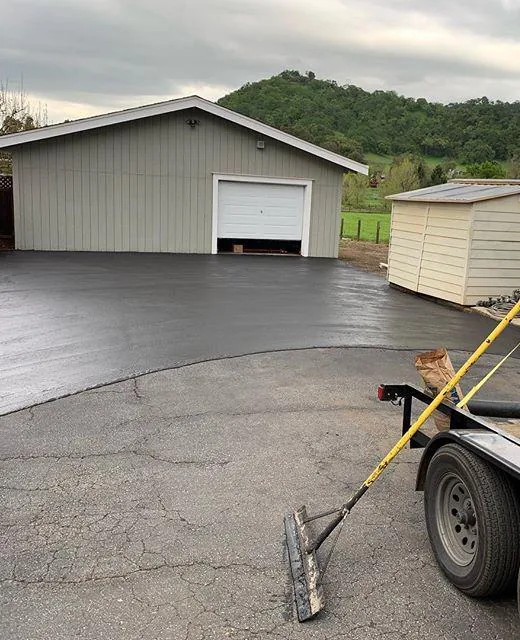
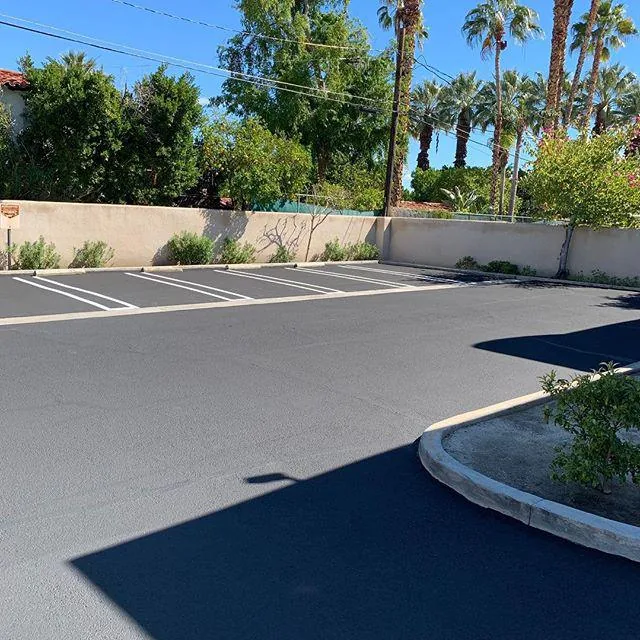
Sealcoating protects the surface from sun, water and oil. Fill cracks first, then seal, then re-stripe so the lines are crisp on the new surface.
Keep accessible parking in order
Accessible stalls, access aisles, signage and slopes must meet ADA and California accessibility standards. Faded markings should be restored, and if the layout or slope no longer complies, plan an upgrade rather than just repainting.
Plan and budget in phases
Spread work across years by priority: safety repairs first, then crack filling and sealcoating, then resurfacing where needed. HOAs and property owners can present a clear multi-year plan instead of facing a single large emergency bill.