
The short answer
To prepare for driveway paving, move vehicles off the driveway, turn off sprinklers, secure pets and children, clear the area of obstacles, and plan where to park for a few days. After paving, keep vehicles off for the time your contractor specifies and avoid turning the wheel while parked.
Before paving day
A little preparation keeps the day smooth:
- Move vehicles, bikes and trash cans well clear of the work area
- Turn off and cap sprinklers and drip lines that cross the driveway
- Mark irrigation heads, cleanouts and utility covers you want protected
- Tell neighbors that equipment and trucks will be on the street
- Plan alternate parking and a way to reach the house on foot
What to expect during the work
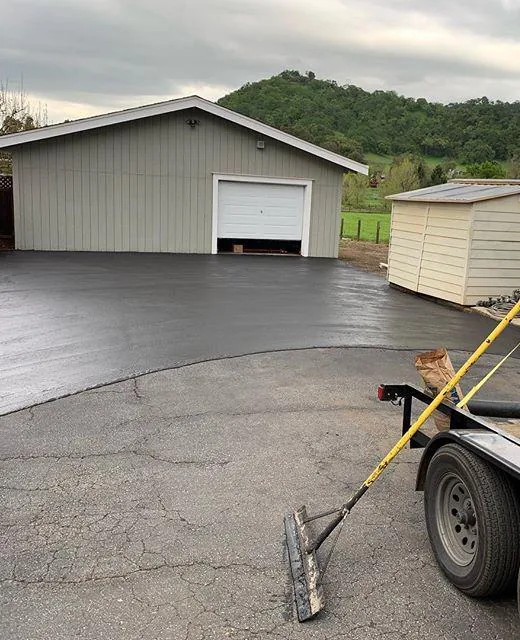
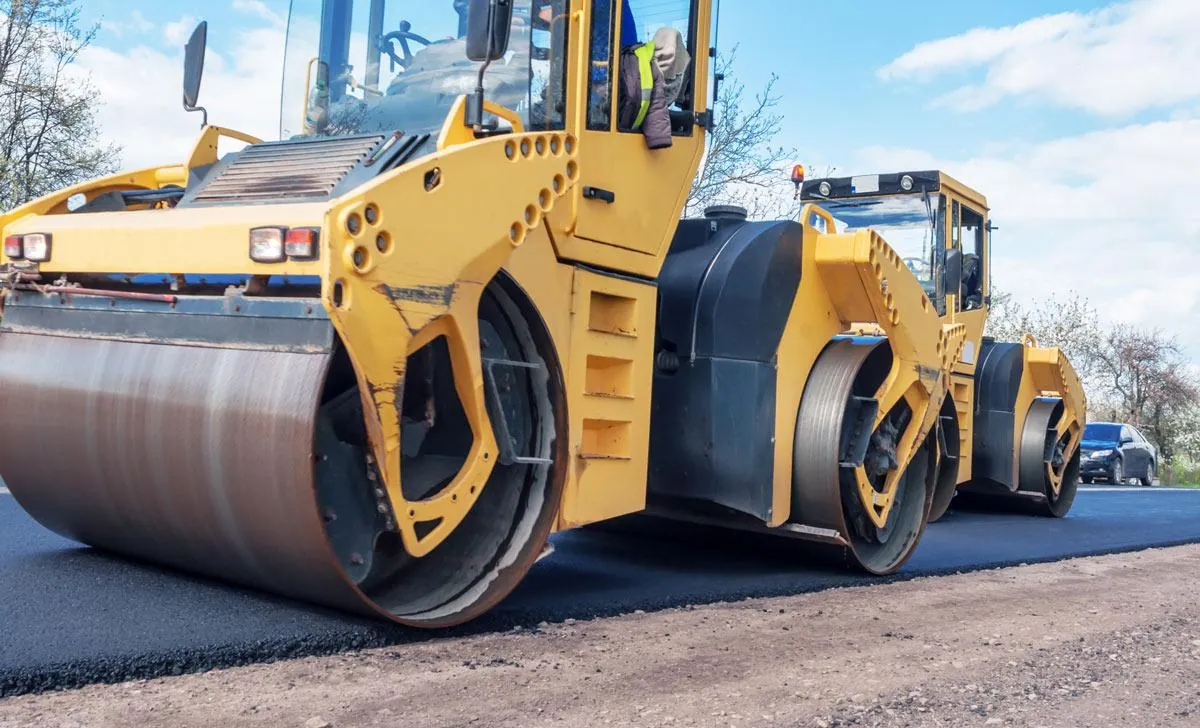
Crews remove failed pavement if needed, grade and compact the base, then place and roll hot-mix asphalt. It is noisy and busy for a day or two. We keep the site tidy and haul away debris.
Keeping pets, kids and feet off
Fresh asphalt is hot and soft and will track onto shoes, paws and floors. Keep everyone off until the contractor says it is ready, and cone or barricade the driveway.
Care for the first weeks
New asphalt keeps hardening for weeks, especially in summer heat:
- Keep vehicles off for the period your contractor gives you
- Do not turn the steering wheel while the vehicle is stopped
- Avoid parking in exactly the same spot every day at first
- Keep kickstands, ladders and heavy point loads off the surface
- Wait several months before the first sealcoat